Mānuka Honey for Colitis & Ulcerative Colitis Support

Mānuka Honey for Colitis & Ulcerative Colitis Support

Rich in unique anti-inflammatory bioactives, Mānuka honey offers targeted support for the lower digestive tract. Its potent phenolic compounds help moderate the inflammatory response, while its natural oligosaccharides support a healthy, balanced microbiome working in synergy to soothe lower GI sensitivity and reinforce your natural digestive defenses.

At Bees & Trees, we believe in providing transparency, the highest quality, and the best experience possible. Our authentic Mānuka honey is traceable from our hives straight to your door. Every jar delivers proven antimicrobial properties, trusted for digestive comfort, gut health, and daily wellness for you and your family.


img

Which MGO Concentration Is Right For Colitis Support?

Select the MGO concentration that fits your needs, whether you need everyday stability or concentrated defense for periods of bowel sensitivity.

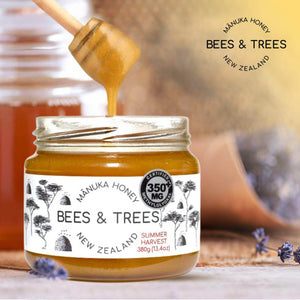
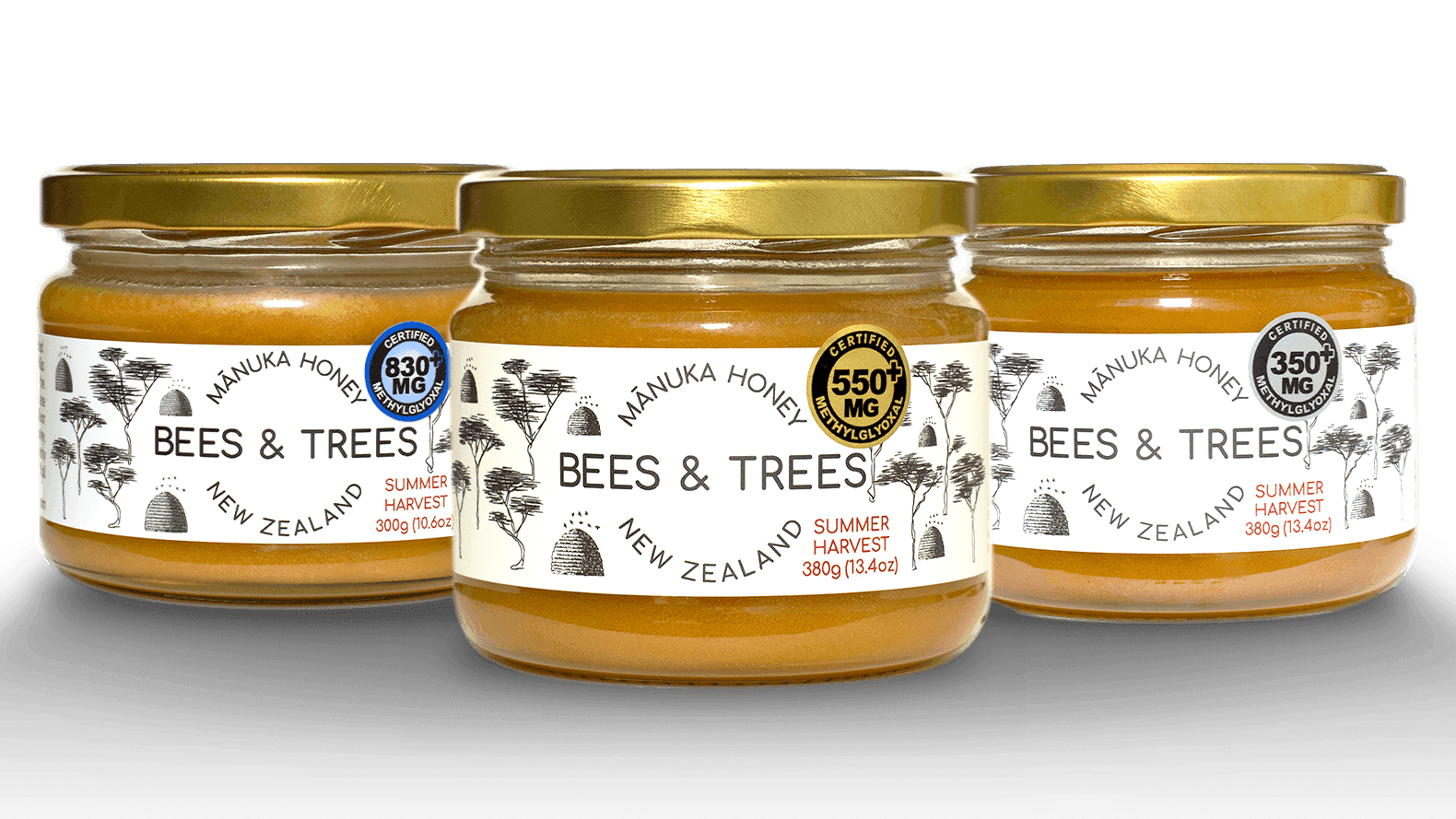
Mānuka Honey Mid-Activity 350+ MGO/kg

Mānuka Honey Mid-Activity 350+ MGO/kg

Our 350+ MGO honey serves as a gentle, everyday foundation to support digestive comfort and routine biological balance. 

Best for: Maintaining steady daily wellness, enriching simple health routines, and providing an easy, gut-friendly boost in small servings.

Shop now
Mānuka Honey High-Activity 550+ MGO/kg

Mānuka Honey High-Activity 550+ MGO/kg

Our 550+ MGO honey delivers a higher concentration of MGO for a more concentrated, bioactive Mānuka experience. 

Best for: Soothing reactive digestion, delivering consistent functional support, and providing increased bioactive benefits for your daily digestive wellness routine.

Shop now
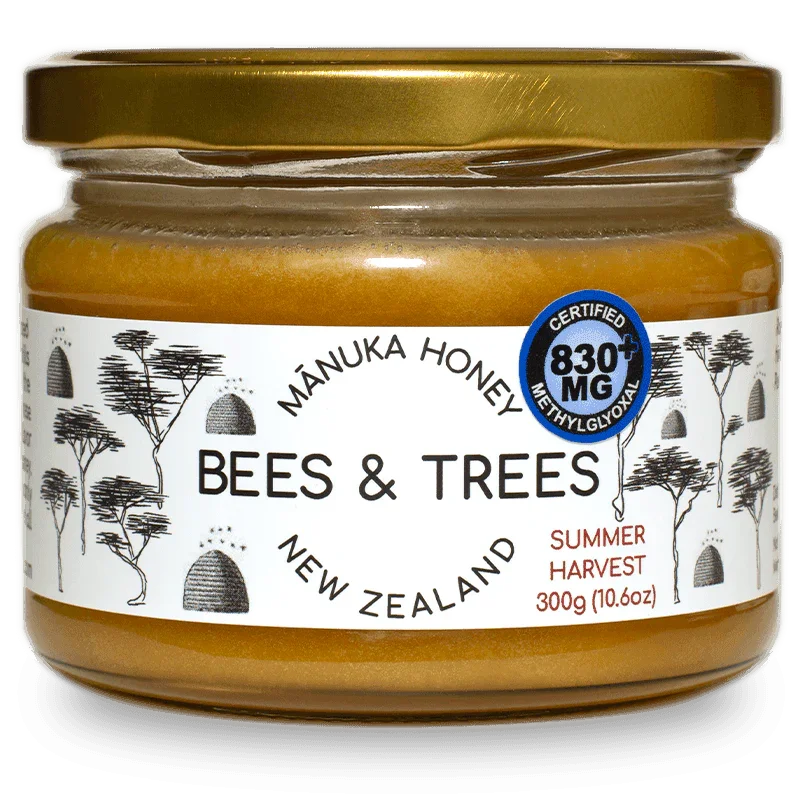
Mānuka Honey Founder's Reserve 830+ MGO/kg

Mānuka Honey Founder's Reserve 830+ MGO/kg

Our 830+ MGO jar delivers our highest density of MGO, providing our most robust bioactive support for improved digestive resilience and balance. 

Best for: Navigating periods of stronger digestive sensitivity, providing highly concentrated bioactive support, and complementing professional guidance for persistent symptoms.

Shop now

For severe pain, bleeding, or vomiting, always consult your healthcare provider immediately.

What the Science Suggests

Benefits of Mānuka Honey for Colitis Support

In animal models of intestinal inflammation, oral Mānuka honey demonstrated the ability to reduce colonic swelling and boost crucial antioxidant markers. Laboratory studies also confirm that Mānuka honey's stable MGO content targets microbial imbalances, while its potent antioxidants neutralize the oxidative stress that frequently triggers colitis-related discomfort. Alongside this active relief, rich oligosaccharides act as natural prebiotics that gently cultivate long-term digestive stability. By addressing immediate inflammatory triggers while supporting microbiome health, Mānuka honey establishes the ideal supportive environment for lasting intestinal comfort. (Prakash 2008; Mavric 2008; Sanz 2005).
Other Digestive Health Benefits Explored in the Research

Soothing Colitis Flare-ups

In animal studies, oral Mānuka honey reduced colon inflammation and supported healthier tissue, showing promising support for bowel comfort. (Prakash 2008)

Calming IBD Symptoms

Reviews show honey's phenolics help calm the gut's inflammatory response, supporting digestive comfort during sensitive periods. (Navaei-Alipour 2021)

Gut healing

Preclinical studies suggest honey may help support the gut lining “barrier”, including proteins that help keep the intestinal lining strong during stress or irritation. (Mehranfard 2020; Sarkar 2023)

Inflammation Support

Animal colitis studies found Mānuka honey improved oxidative stress and antioxidant markers, which are often linked to inflammation-related gut sensitivity. (Prakash 2008)

Diarrhea Recovery

Clinical studies indicate that honey used alongside oral rehydration solutions shortens recovery time during acute diarrhea, offering gentle, soothing properties for an upset digestive tract. (Abdulrhman et al., 2010; Haffejee & Moosa, 1985)

Digestive comfort

Honey contains oligosaccharides that showed prebiotic potential in fermentation studies, supporting the growth of beneficial gut bacteria linked to everyday digestive resilience. (Sanz 2005)

Image item 1

100% Satisfaction Guaranteed

Image item 2

Glyphosate Residue Free

Image item 3

GenuHoney Authenticity
Certified

Image item 4

New Zealand.com License no. 100293

WHY CHOOSE BEES & TREES

Authenticity Sealed in Every Jar

We guarantee that what you see on the label is exactly what you get inside the jar.

Founded on Sustainability

From supporting New Zealand’s native ecosystem restoration to packaging in eco-friendly glass, we’re committed to protecting the environment that creates our honey.

Authentic New Zealand Sourcing

Harvested in the remote hillsides of Taranaki, our honey carries the Fernmark License, guaranteeing authenticity.

Independently Tested for Potency & Purity

Every batch is verified by accredited labs, with MGO results on the label and certificates published for full transparency.

FAQ

  • Is Mānuka honey good for Ulcerative Colitis?

  • Yes, Mānuka honey offers soothing support for Ulcerative Colitis when used alongside a comprehensive care plan. Animal studies show it helps calm colonic inflammation and improve gut antioxidant levels through its natural phenolic compounds, which help moderate the inflammatory signals of UC flares, and contribute to a more comforting digestive environment. Because human trials are still ongoing, it serves best as a gentle companion to your prescribed medical treatments. (Prakash et al., 2008; Navaei-Alipour et al., 2021; Almasaudi et al., 2017)

  • How much Mānuka honey should I take for Colitis support?

  • For targeted Colitis support, start with one teaspoon (about 5g) of high-MGO Mānuka honey daily, taken just before meals, allowing it to provide support throughout the digestive tract ahead of food. Enjoy it directly from the spoon rather than stirred into hot water, as high heat degrades the beneficial MGO and natural enzymes. Start small and adjust based on your stomach's tolerance. (Gośliński et al., 2023; Medhi 2008; Gośliński et al., 2024; Wallace et al., 2010; Food Chemistry, 2021) 

  • Will the sugar in Mānuka honey increase gut inflammation?

  • Unlike refined sugars that trigger inflammation, Mānuka honey's natural sugars are paired with unique bioactives that help soothe the gut. Its rich phenolic compounds and antioxidants actively moderate inflammatory responses, while natural oligosaccharides nourish beneficial bacteria instead of harmful microbes. To maintain balance for a sensitive gut, stick to small daily servings of ½ to 1 teaspoon. (Qi et al., 2022; Becerril-Sánchez et al., 2021; Sanz et al., 2005; Rumessen & Gudmand-Høyer, 1995)

  • Can Mānuka honey cause bleeding or worsen urgency?

  • Mānuka honey is not associated with causing rectal bleeding. However, because honey is naturally high in fructose, consuming large quantities during an active flare can occasionally increase urgency in highly sensitive individuals. If you are experiencing rectal bleeding, seek prompt medical attention. This signals active disease that requires clinical evaluation, not dietary adjustment. (Rumessen & Gudmand-Høyer, 1995; Mayo Clinic — Ulcerative colitis: When to see a doctor)

  • Is Mānuka honey safe to take with Colitis medications?

  • Research suggests Mānuka honey may complement rather than conflict with standard colitis medications. One study found an additive benefit when Mānuka honey was combined with sulfasalazine in a colitis model, with the combination showing stronger antioxidant and anti-inflammatory outcomes than either alone. That said, always inform your gastroenterologist before adding it to your routine, particularly if you are on biologics or immunosuppressants. (Medhi et al., 2008)

  • Is Mānuka honey considered high FODMAP?

  • Yes, because it contains natural fructose, Mānuka honey is classified as high-FODMAP and may trigger gas or distension in sensitive individuals if consumed in larger amounts. If you are on a strict low-FODMAP protocol, introduce it slowly, starting with just ½ teaspoon, to test your tolerance. While many with colitis tolerate it well due to its soothing properties, a gentle introduction is always best.  (Rumessen & Gudmand-Høyer, 1995)

  • Does Mānuka honey act as a prebiotic or probiotic?

  • Mānuka honey is a prebiotic. It contains natural oligosaccharides that resist digestion and reach the lower gut, where they selectively nourish beneficial bacteria, including Lactobacillus and Bifidobacterium species. Mānuka honey is also being studied for its broader gut-supportive profile, including MGO-linked antimicrobial activity and potential microbiome-balancing effects.  This makes it a meaningful daily addition for those working to restore the microbial balance that conditions like colitis and C. diff can disrupt, without introducing live bacterial cultures. (Sanz et al., 2005; Schell , 2022) 

  • How does Mānuka honey compare to regular honey for gut health?

  • While regular honey provides mild benefits via hydrogen peroxide, these compounds are easily destroyed during digestion. Mānuka honey stands apart due to its high Methylglyoxal (MGO) content that remains stable in the harsh digestive environment, delivering potent bioactivity that actively supports gut balance and digestive comfort. (Majtan et al., 2014; Mavric et al., 2008; Daglia et al., 2013)

    Note: Never give honey to infants under 12 months, and consult your doctor if you have diabetes or bee allergies.

    Disclaimer: These statements have not been evaluated by the Food and Drug Administration. This product is not intended to diagnose, treat, cure, or prevent any disease. This content is for informational purposes only and is not medical advice.